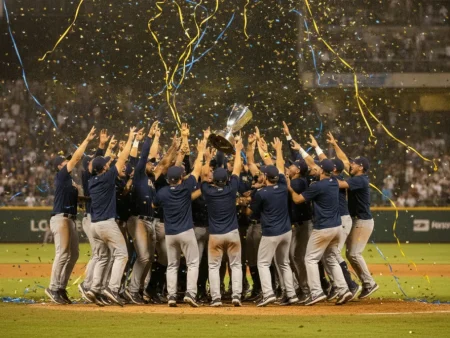

Defending Champions Establish Their 2026 Tournament Base
Argentina arrives at the 2026 FIFA World Cup as defending champions, a distinction that carries both prestige and immense pressure. The team’s decision to establish their official base camp in Kansas City reflects a calculated approach to tournament preparation in a competition unlike any before it. With matches dispersed across the United States, Mexico, and Canada, Argentina’s choice of location demonstrates strategic foresight aimed at maximising their chances of success.
Why Kansas City Matters for Argentina’s Campaign
The central location of Kansas City provides Argentina with several distinct advantages. The city reduces travel fatigue between matches and allows the coaching staff to maintain consistent training routines and recovery protocols. With one of their group-stage matches scheduled at GEHA Field at Arrowhead Stadium, the team gains familiarity with their immediate surroundings early in the tournament.
Environmental consistency plays a crucial role in modern football tournaments. When players train and recover in the same location repeatedly, their bodies adjust to local conditions more effectively. This stability translates into better physical performance and allows coaching staff to implement tactical preparations without disruption.
The Benefits of a Centralised Base
- Reduced travel time between matches and training facilities
- Consistent recovery environments for players
- Streamlined logistical planning for staff and support personnel
- Familiarity with stadium conditions before group-stage competition
- Opportunity to build positive relationships with local communities
Argentina’s Qualification Journey
Argentina secured their place at the 2026 World Cup through a dominant qualification campaign across South America. Under the guidance of Lionel Scaloni, the team demonstrated authority and consistency throughout the qualifying rounds, a period traditionally regarded as one of international football’s most challenging routes.
The squad’s performance was marked by tactical discipline combined with efficient attacking play. Argentina controlled matches in various conditions, both at home and away, establishing themselves as the region’s strongest team well before qualifying was mathematically confirmed.
The Weight of Championship Defence
Defending a World Cup title ranks among football’s most daunting challenges. Opponents approach every fixture with heightened intensity, knowing they face the tournament’s most experienced and decorated team. This reality shapes every aspect of Argentina’s preparation and mindset.
At the centre of Argentina’s narrative stands Lionel Messi. By 2026, he will be 39 years old, and widespread expectation suggests this tournament represents his final appearance on the world’s greatest football stage. His influence extends far beyond statistical contributions—Messi establishes the rhythm of Argentina’s play, identifies opportunities others cannot perceive, and provides leadership during critical moments.
Current betting markets reflect Argentina’s status as genuine contenders. Bookmakers position them as the fourth favourite to win the tournament, with odds around 9-to-1. This valuation acknowledges both their proven pedigree and the formidable competition they will encounter.
Beyond Individual Brilliance: Argentina’s Collective Strength
Modern Argentina thrives on balanced squad depth rather than individual excellence alone. The team’s success depends on collective execution and complementary contributions across all positions.
Key Players and Their Roles
- Forward Line: Lautaro Martínez and Julián Álvarez provide constant movement, creating unpredictability and multiple finishing opportunities
- Midfield: Alexis Mac Allister and Enzo Fernández control the tempo, link defence to attack, and maintain structural integrity during challenging moments
- Goalkeeper: Emiliano Martínez delivers composure under pressure, particularly in penalty situations where marginal advantages prove decisive
Scaloni’s Transformative Influence
The architect of Argentina’s modern success is Lionel Scaloni. His tenure has fundamentally transformed the team into a cohesive unit defined by discipline, adaptability, and shared purpose. Rather than imposing a rigid system, Scaloni has created a flexible framework allowing Argentina to adjust tactical approaches based on opponent characteristics without abandoning their core identity.
This adaptability represents a significant competitive advantage in tournament football. Argentina can press aggressively when necessary, control possession during different phases, or defend compactly depending on match circumstances. Each player understands their specific role within this system, eliminating confusion and maximising efficiency.
Group Stage Strategy and Expectations
Argentina’s initial group presents an opportunity to build momentum and confidence. While respecting each opponent’s qualities, Argentina will be expected to progress through the group stage comfortably and enter the knockout rounds with minimal complications.
The opening fixture in Kansas City carries particular significance. A commanding performance would establish psychological advantage, allowing subsequent matches to be approached with controlled confidence rather than desperation. Managing player intensity and physical resources during this stage remains critical, as the tournament extends considerably beyond the group phase.
Emotional Dimensions of Argentina’s Campaign
Beyond tactical considerations and physical preparation, Argentina’s 2026 campaign carries profound emotional weight. The likelihood that Messi’s international career concludes at this tournament creates a shared sense of purpose throughout the squad. This collective motivation—the desire to deliver a meaningful conclusion to their captain’s legacy—represents a factor that strategic analysis alone cannot quantify.
Great teams often achieve their greatest triumphs when emotional investment aligns with technical excellence. The knowledge that this tournament may represent their final opportunity together can influence performance during tight, decisive matches where psychological factors determine outcomes.
Can Argentina Repeat Their Success?
Repeating as World Cup champions remains extraordinarily difficult. Competing nations—Spain, France, England, and others—will arrive with their own elite squads and championship aspirations. The margin for tactical or individual error narrows considerably in knockout football.
Yet Argentina possesses the attributes required for another sustained run. They combine tournament experience with tactical flexibility and a squad capable of managing various challenges. Perhaps more importantly, they understand the psychological demands of championship defence and the resilience necessary to overcome adversity during a demanding tournament.
A Campaign Built on Preparation and Belief
As Argentina establish themselves in Kansas City and commence their tournament preparations, every element of their planning targets a singular objective: maximising their probability of success. Their qualification campaign already demonstrated remarkable consistency and strength. What remains is converting that preparation into another historic tournament run.
Argentina’s presence at the 2026 World Cup will undoubtedly constitute one of the tournament’s defining narratives—a story shaped by ambition, unity, and the pursuit of record achievement.